What to wear in Lapland: the three layers and hiring kit on site
Most visitors put €200 into a parka and €15 into their extremities. Yet it is the feet and the hands that send you back indoors after an hour. Here is what you actually need to buy, and what will be handed to you.
The question asked is almost always "which parka should I buy". It is the wrong question. The parka is precisely the piece most operators lend you, and the one you can hire in Rovaniemi for a few tens of euros.
What sends you back indoors after an hour is your feet and your hands. Nobody lends merino socks, nobody lends liner gloves, and a hat sells for 35 € at a Rovaniemi hire shop when it costs 15 € at home.
So this page is a shopping list in both directions: what to buy, and what not to buy because it will be provided. With prices checked at European retailers and in Rovaniemi in 2024 and 2025.
The three-layer system, in three lines
A merino or technical synthetic base layer that moves sweat away, a mid layer that traps warm air, and an outer shell that stops the wind and the snow. Cotton is banned from all three.
We set out this system, the cotton trap and the buy against hire question in our article on Lapland temperatures month by month. If the principle is new to you, start there. The rest of this page assumes it is settled.
What do operators actually lend you?
This is the piece of information that changes what goes in your suitcase, and almost nobody states it clearly.
Tour operators selling package trips to Rovaniemi, Levi or Äkäslompolo provide a one-piece thermal suit and snow boots for the whole stay, included in the package, at no extra cost.
For excursions sold individually, snowmobiling, husky sledding, reindeer farms, most serious Rovaniemi operators lend the deep-cold suit and the boots for the duration of the activity, included in the price. On snowmobiles, helmet and balaclava are always provided, for safety reasons.
Some go further: Arctic Attitude lends the kit free of charge to customers who book an excursion with them. Rovaniemi Insider advertises Finnish kit tested to -30°C and boots rated -40 °C.
Every activity you book is one less day of kit to carry: on a husky sledding trip from Rovaniemi, the deep-cold suit and the boots are lent for the length of the run. Book roughly one activity a day and you can skip the hire shop entirely, arriving with nothing but a bag of base layers.
See husky sledding trips →Affiliate links: booking through them supports the site at no extra cost to you.Do check the description before you book, all the same: lending is very common, it is not universal. A line reading "winter clothing included" or "suit provided" in the product page settles it.
What nobody lends, so what you have to pack
The list is short, and it is exactly the one travellers neglect. No operator lends you underwear, socks or liner gloves, for obvious hygiene reasons.
- Two sets of merino top and bottom, at 200 à 260 g/m². Two, so one set is dry while the other dries.
- One mid layer: a 300 g fleece or a light insulated jacket, worn under the suit you are lent.
- Four pairs of merino socks, never cotton.
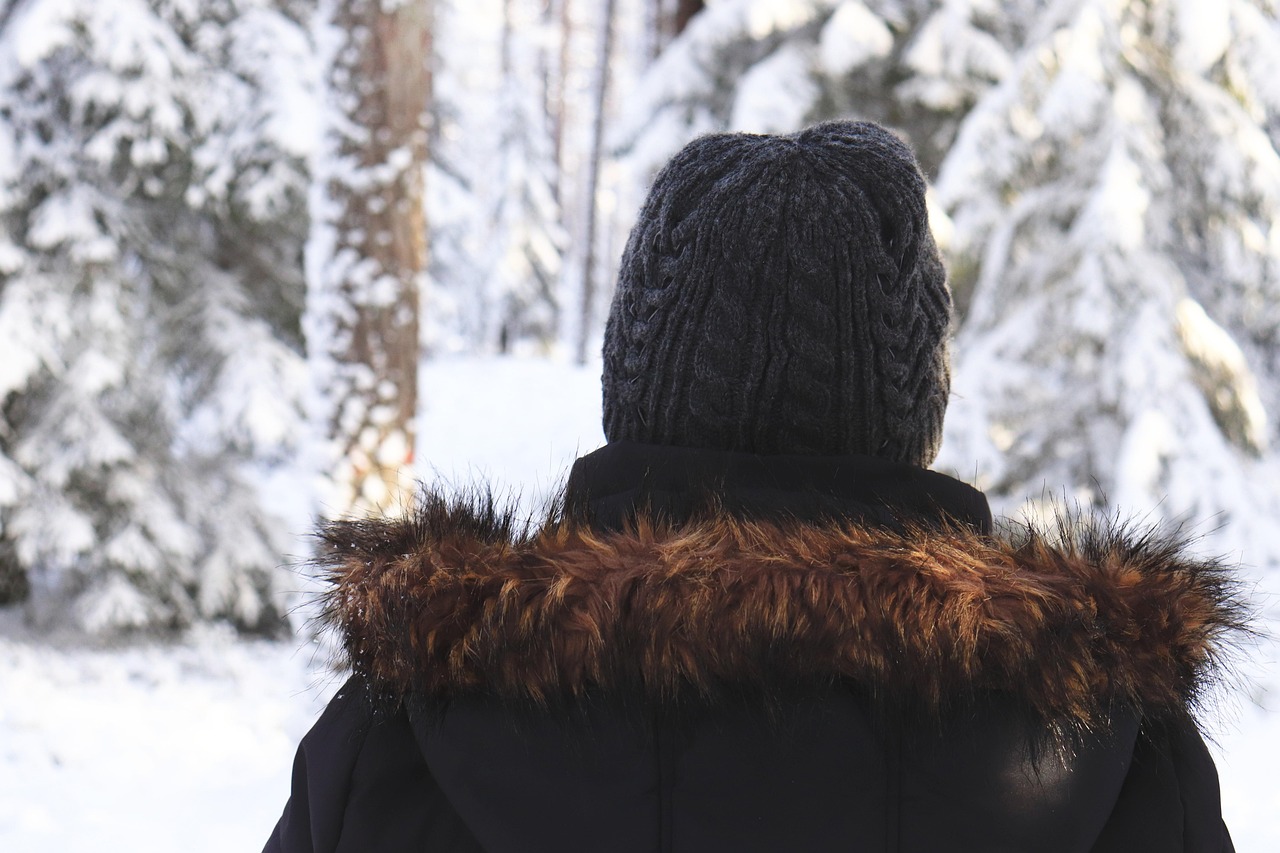
- A hat that covers the ears and a neck gaiter.
- Liner gloves in silk or merino, and a pair of mittens.
- Ice grips for walking around town.
- Disposable hand warmers, for hands and for feet.
Hat and gloves appear in some hire sets, never in the free loan that comes with an activity. Book Lapland states it in black and white: the hat is not included in its jacket and trousers set, and sells for 35 € on the spot.
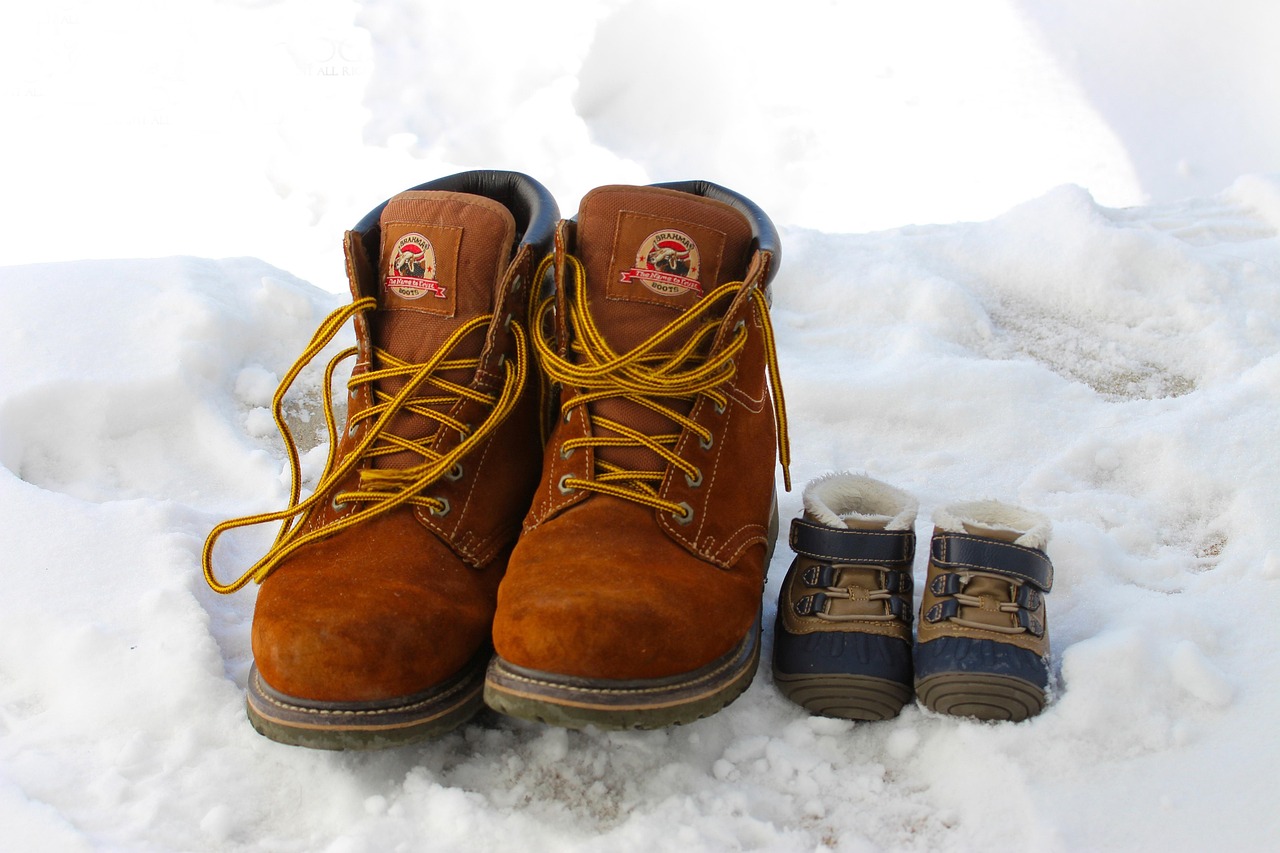
How do you read a boot's temperature rating?
Manufacturers' ratings are the most misleading figure in the whole winter kit. Sorel Caribou are advertised at -40 °C, and the Baffin Impact used on polar expeditions goes down to -100 °C.
Those numbers do not mean you will be warm at that temperature. Field tests and user reports put the real comfort limit at around -20 °C as soon as you stand still for any length of time, the sole being poorly insulated.
The working rule fits in one sentence: buy boots rated at least -30°C, ideally -40°C, and treat -20°C as your real comfort floor. Below that, it is doubled socks, boot liners and hand warmers that make the difference, not the label.
A new pair of Sorel Caribou is recorded at 120 à 200 € depending on the promotion: 119,90 € at Hardloop in late 2024, 180 € at Zalando in 2025, 200 € as the list price in the official shop.
Our view: this is the least worthwhile purchase on the list for a one-off trip. Boots are heavy, bulky in the hold, and lent to you on most activities. Only buy them if you are already a regular in deep cold.
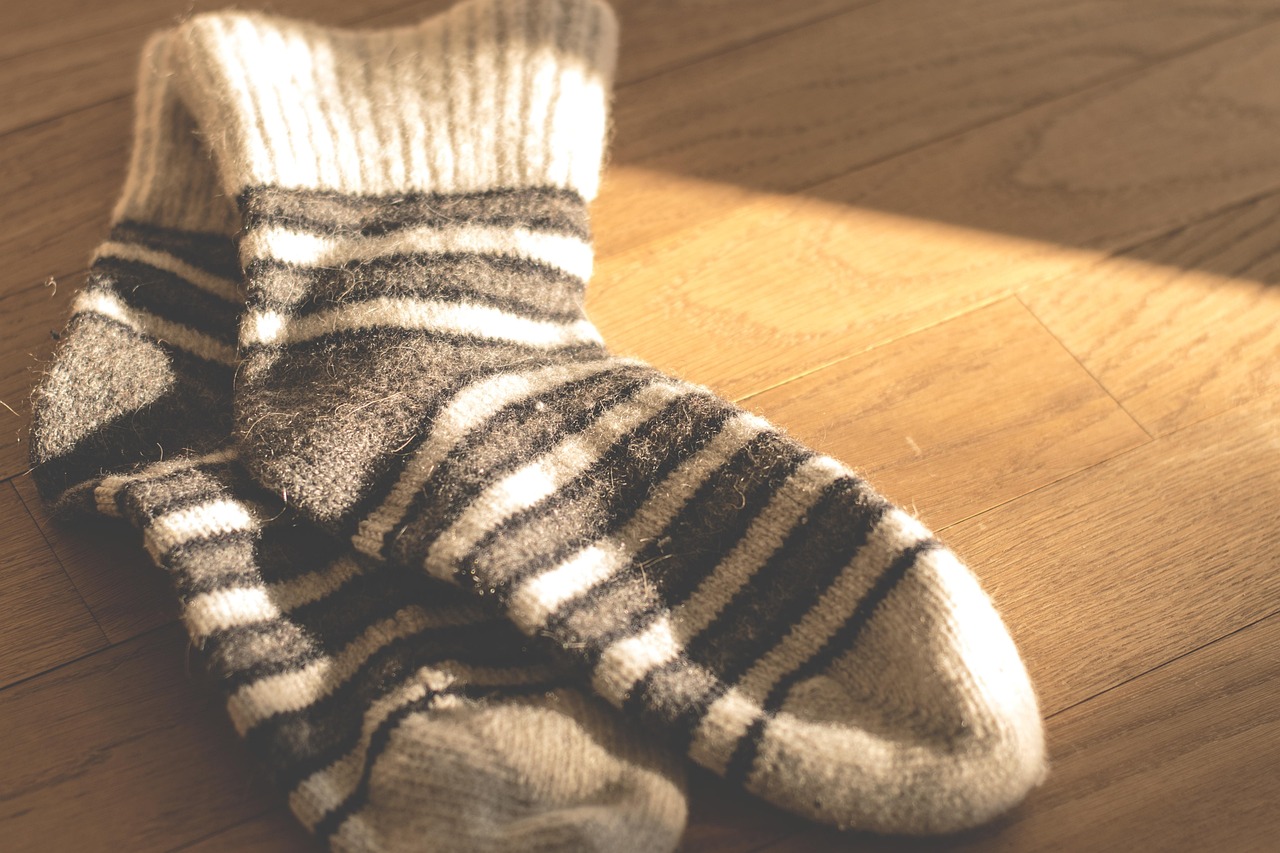
Socks: why do two thin pairs beat one thick pair?
Because what insulates is trapped air, not the material. Two thin pairs create an extra air gap, while one very thick pair compresses the foot inside the boot and destroys that gap.
The recommended set-up is a thin merino sock under a thicker ski sock, with no compression. Allow €11.99 a pair for merino ski socks in 2025, so about €48 for four pairs.
Second point, often missed: buy your boots a size up. The foot needs to move and to keep air around it, boot liners included. A boot squeezed tight "to keep the heat in" cuts off circulation, leaves you colder and causes blisters.
Never take cotton socks, not even as a thin layer underneath. It is the number one mistake reported on the forums, and it cancels out everything else you have packed.
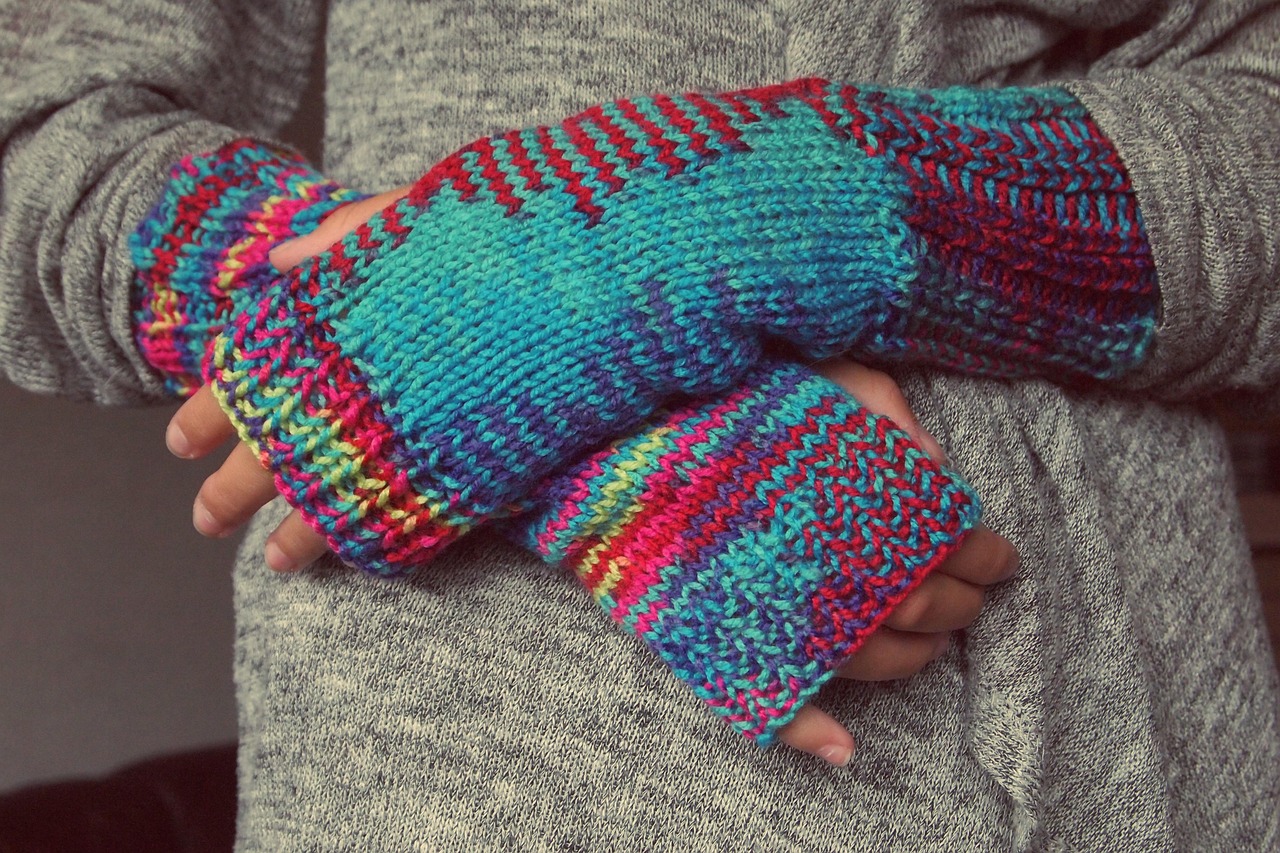
Hands: the layered system, in three pieces
Hands are the second breaking point after the feet, and the only part of the body you will deliberately uncover, to take a photograph or check a phone.
Liner gloves. Silk or merino, they add a few degrees and let you handle a device without going bare. This is the cheapest item on the whole list, 7,99 € at Decathlon in 2025, and the best value.
Insulated mittens. Warmer than separate-finger gloves, because the fingers warm each other. Ideally with a waterproof membrane.
Shell over-mitts. A windproof shell to pull on top, recommended by Nordic trekking guides for snowmobiling or deep cold. Optional if you stay in town, invaluable as soon as you generate your own wind.
One figure we are missing: none of the sources consulted gives a reference price for a pair of deep-cold mittens sold in Europe. We are not going to invent one. Budget an extra line and check it yourself, by brand.
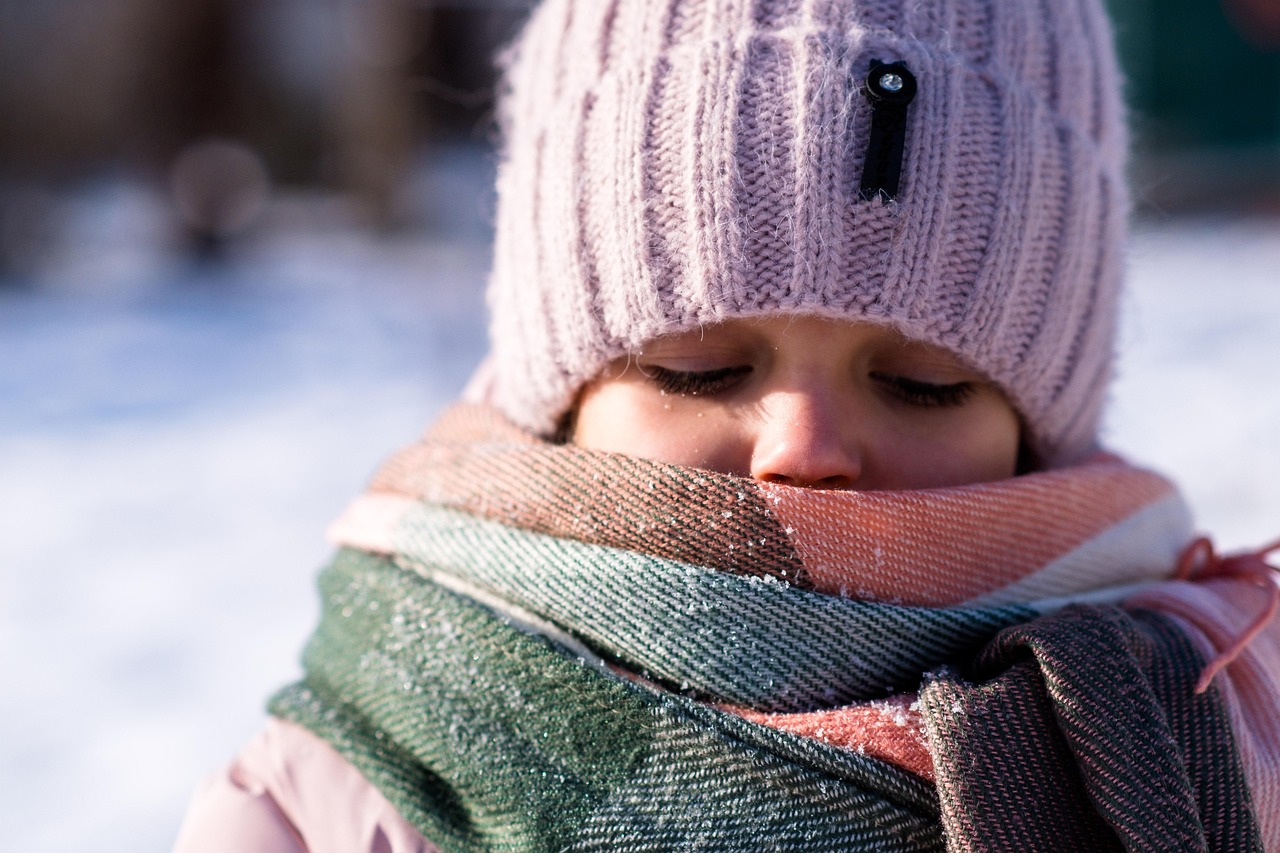
The head, the neck and the face
A significant share of your heat loss goes through the head and the neck if they are badly protected. Three pieces are enough, and none of them is expensive.
The hat has to cover the ears completely. Thin city styles are useless. A ski hat with a windproof panel and a fleece lining costs 15 € in Europe in 2025.
The neck gaiter beats a scarf: less to catch the wind, no knot letting air through, and you can pull it up over mouth and nose to warm the air you breathe.
The balaclava becomes essential on a snowmobile or in strong wind, because it covers forehead, cheeks and chin. The Lapland tourist authorities warn of a real risk of frostbite to the nose and cheeks without face cover. On snowmobiles, it comes with the helmet.
Hand warmers and ice grips: the two things everyone forgets
These are the two accessories travellers most regret leaving behind, and the two that cost the least.
Disposable hand warmers are heavily used in Lapland during the standing-still phases: watching the northern lights, waiting before a departure, ice fishing.
Prices recorded in Europe run from 1,99 € each to €7.99 for a pack of ten for the hands. Allow 15,99 € for a pack of thirty toe warmers, or 12,95 € for a pack of five Therm-ic toe warmers.
Two safety points: never stick a warmer directly against the skin, and never store lithium batteries in the same pocket as an active warmer.
Ice grips solve a different problem: Rovaniemi turns into a skating rink when the pavements ice over, and plenty of travellers get hurt in town rather than out on an excursion. Allow €19.95 for a Sidas Walk Traction model, 25,46 € for a 24-spike version, and a wide offer of 9,90 à 30 € on comparison sites.
Which set-up for the forecast temperature?
Three typical set-ups, counting the pieces to lay out the night before. Layers 1 and 2 are yours, layer 3 is the one you are lent or you hire.
| Temperature | Merino base layer | Mid layer | Outer shell | Extremities |
|---|---|---|---|---|
| 0 to -10°C (November, March) | 1 set, 200 g top and bottom | 1 thick fleece or light insulated jacket | Waterproof windproof jacket, light ski trousers | Boots rated -15°C minimum, hat, gloves, neck gaiter |
| -10 to -20°C (deep winter) | 2 layers, 200 g then 260 g | Fleece plus a down jacket of about 200 g | Technical parka, insulated ski trousers | Boots rated -25°C, hat covering the ears, warm mittens |
| -20 to -30°C (cold snap) | Double merino everywhere, socks and skull cap included | 2 insulating layers, fleece plus a heavy down jacket | Long, heavily insulated parka, warm ski trousers | Boots rated -30°C or better, shell over-mitts, balaclava, hand warmers |
Read this table down the columns, not across the rows. Between the first row and the third, the outer shell column barely changes, and it is provided anyway. What doubles is the base layers and the extremities, which is exactly what you have to bring.
With those three layers chosen properly, field guides report being comfortable down to -25 or -30°C while active. Guided snow activities run in all three set-ups.
What not to buy
This is the part gear round-ups never publish, because they are selling gear.
- An Arctic parka costing several hundred euros. This is exactly the piece you are lent on activities and can hire the rest of the time. The least worthwhile purchase of the lot.
- New ski trousers for five days. They cost 39,99 € at entry level, but they are included in every hire set.
- Arctic boots. about 150 €, heavy in the hold, lent on most outings. Hire them, unless you use them regularly.
- A hat bought on arrival. 35 € at a Rovaniemi hire shop against 15 € at home for an equivalent technical model.
- A scarf. It catches the wind and lets air through at the knot. A neck gaiter does the job better, for less.
- Anything made of cotton. T-shirts, leggings, socks, sweatshirts. Cotton holds sweat, turns icy and raises the risk of hypothermia.
- Jeans or chinos, however thick. The fabric freezes, does not insulate, and becomes frankly unbearable on a sled or a snowmobile.
- Compression socks or tight boots. They cut off circulation: you will be colder with more thickness on.
That last point is worth putting another way. The intuitive logic of cold, thicker equals warmer, stops being true the moment the thickness compresses. That holds for feet, hands and neck alike.
What does the genuinely necessary list cost?
We started from the complete kit costed in our temperatures article, about 630 € per adult on products sold in Europe in 2024 and 2025, then took out the three pieces you are lent or can hire.
- 2 merino tops: €50 each, so €100
- 2 merino bottoms: 39,99 € each, so about €80
- 1 synthetic insulated mid layer: 60 €
- 4 pairs of merino socks: €11.99 a pair, so about €48
- 1 ski hat: 15 €
- 1 pair of silk liner gloves: 7,99 €
- 1 pair of ice grips: €19.95
- 1 pack of hand warmers: €7.99
Total: about €339 per adult, deep-cold mittens excluded for want of a reliable reference price. The three pieces taken out, a down parka at 99,99 €, ski trousers and boots, account for about €290 of the complete kit.
Put another way, close to half of what you were about to buy is already included in the price of your excursions. And what remains is clothing you will wear again at home, unlike a one-piece Arctic suit.
Hiring the rest: prices recorded in Rovaniemi
If you are spending several days without a guided activity, hiring takes over. The rates recorded in 2024 and 2025 are far clearer by the day than by the week.
| Hire company | What is included | Rate recorded |
|---|---|---|
| Winterent | Jacket and trousers or a suit, boots, mittens, socks | From €39 a day, 80 € a week according to a customer review |
| Book Lapland | Jacket and trousers, hat not included | €45 for 1 day, 75 € for 2 days, 95 € for 3 days, 110 € for 4 days, then 10 € a day |
| Arctic Attitude | Deep-cold suit and boots | 80 € for 3 days, €100 a week |
| Rovaniemi Winter Gear Rental | Jacket and trousers, mittens, boots, neck gaiter | From 46 €, for 1 to 7 days |
For a week, a complete set runs around 80 to 140 € depending on the company and the contents. Two firms, Rovaniemi Insider and Nordic Odyssey, do not publish rates online and work on request.
The sums do themselves. Three activities booked in the week cover three days of kit, and a two-day set at 75 € covers the rest. Our estimates of what a trip costs include both of these lines.
Drying kit, and why two sets are enough
Merino has an advantage the product pages rarely mention: it still warms when slightly damp, dries fast and keeps odour down over several days of wear. That is what lets you travel with two sets rather than five.
The rotation is simple: one set on you, one set drying. Hang the damp set up the moment you get in, not at the bottom of your bag.
What we do not know: no source consulted documents whether Rovaniemi hotels have a drying room or a tumble dryer, or how common that is. It is a real comfort factor over a week-long stay.
The only reliable way to settle it is property by property when you book: the words to look for are "drying room", "tumble dryer" or "laundry" in the facilities. The list of places to stay in Rovaniemi lets you filter on that point before choosing.
Where to go next
For real temperatures month by month, the records and the layering system in detail, see Lapland temperatures month by month. To pick your dates, read when to visit Lapland. And for the activity that best justifies all the lent kit, see our page on husky sledding in Rovaniemi.
Sources
For the layering system, the set-ups by temperature and the common mistakes: guides from Lapland Tribe, Laponie Récits, Je-papote, Globefreelancers, JD Roadtrip and Millet, consulted in 2025. Lapland.fi for face protection and frostbite risk.
For European retail prices: Decathlon and Decathlon Pro 2025 product pages for merino base layers, insulated jackets, ski trousers, socks, hats, liner gloves, hand warmers and ice grips. Hardloop 2024, Zalando 2025 and the Sorel shop for the Caribou boots. Leroy Merlin and leDénicheur for urban ice grips. The Heat Company for single hand warmers.
For the temperature ratings: Sorel and Snowleader pages for the advertised -40°C of the Caribou, Baffin pages for the -100°C of the Impact, field tests and user reports for the real comfort limit.
For lent and hired kit: Voyages Laponie for the suit and boots included in package trips, Tripadvisor and Viator for Winterent and Rovaniemi Winter Gear Rental, Book Lapland for the 2025 rate card, Arctic Attitude, Rovaniemi Insider and Nordic Odyssey for their terms. Data verified in August 2026.
Frequently asked questions
Do you need to buy a parka for Lapland?
What do Lapland activity operators provide?
What temperature rating do boots need in Lapland?
How much does the must-buy kit cost before you go?
Can you wear cotton in Lapland?
Do you need ice grips to walk around Rovaniemi?
Better to buy your hat at home or in Rovaniemi?

Camille Rousset
Camille has covered Nordic destinations for ten years. She checks every price and every opening time at the source, and refuses to publish a figure she cannot date.